
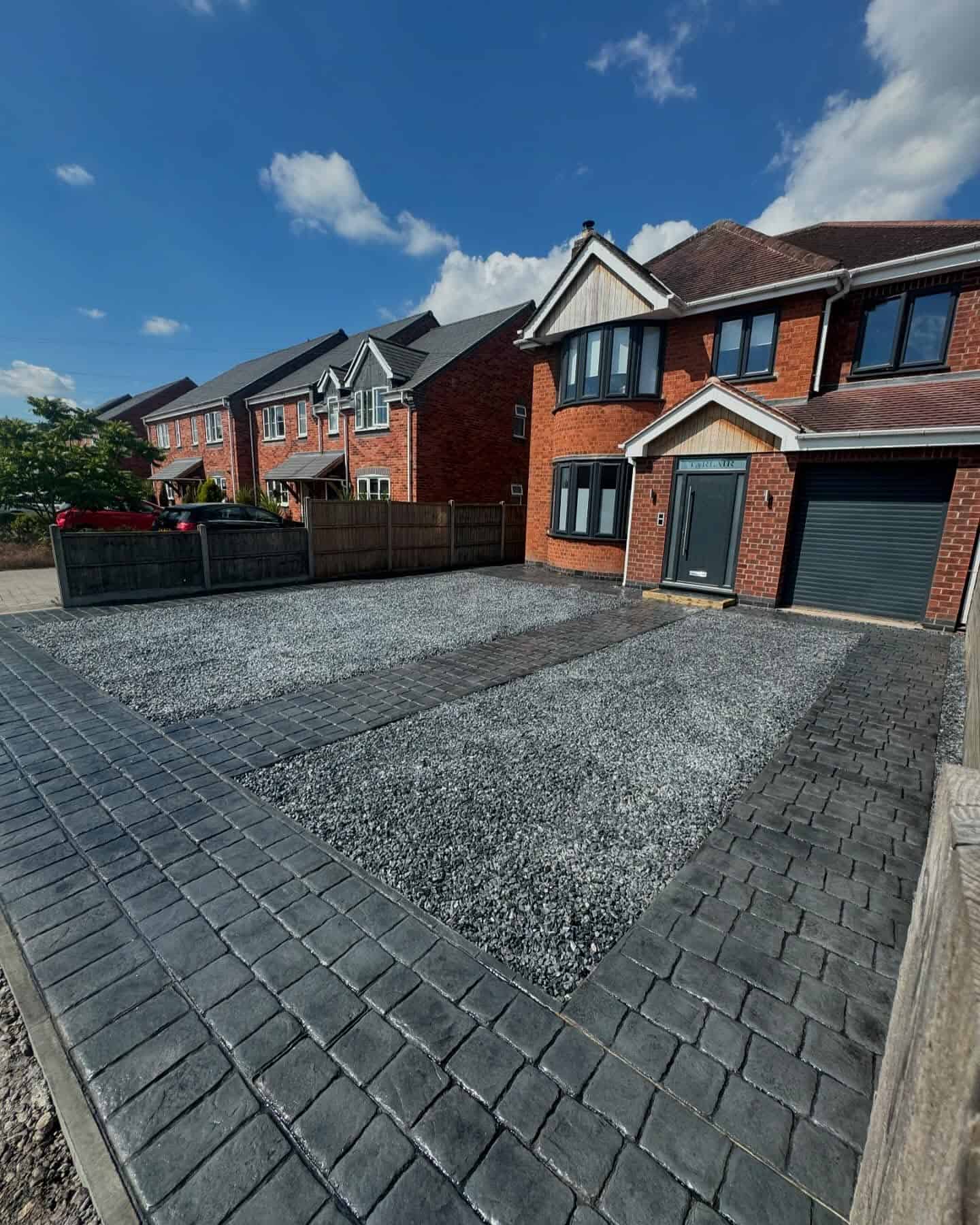
When planning a new driveway, it is easy to focus on the surface, colour and final appearance. While these details matter, drainage is one of the most important parts of the project. A driveway needs to handle rainwater properly, especially on front gardens, sloped spaces and areas where water currently collects. For homeowners looking for driveways in Derby, drainage should be discussed before any installation work begins.
At DSG Imprint, we know that the best driveways are built from the ground up. The finished surface is only one part of the job. Levels, preparation, base construction and water management all affect how well the driveway performs in the years ahead.
Why Drainage Should Be Planned Early
Drainage should never be treated as an afterthought. If water has nowhere to go, it can sit on the surface, run towards the property or collect at the lowest point of the driveway. This can make the driveway less pleasant to use and may contribute to long term issues with the surface or base.
Standing water can also affect appearance. Puddles may lead to staining, moss growth or dirt build up, particularly in shaded areas. During colder weather, wet areas can become slippery, making the driveway less safe for pedestrians.
Planning drainage early allows the installer to design the driveway properly. This may involve adjusting levels, choosing a suitable surface, directing water towards a permeable area or including drainage features where needed.
Look At How Water Currently Moves
Every property handles water differently. Some front gardens naturally slope towards the road, while others fall towards the house. Some have existing drainage channels, borders or soft landscaped areas that already help manage water. Others may have poor levels that cause rainwater to collect.
Before installing a new driveway, the existing water movement should be assessed. This gives a clearer idea of what needs to change and which surface options are most suitable. If the current driveway already has drainage problems, the new installation should be designed to correct them rather than simply cover them.
This is why a proper site assessment is important. It helps avoid guesswork and gives the homeowner a more reliable result.
Understand Permeable Driveway Options
Permeable surfaces allow water to pass through or drain in a controlled way when installed correctly. These options can be especially useful for front garden driveways, where managing rainwater is important. Non permeable surfaces can still be used in many cases, but they need to be planned so water drains to a suitable area.
GOV.UK provides guidance on permeable surfacing of front gardens, explaining how driveways and paved areas can be constructed to reduce rainfall runoff. This is useful background reading for homeowners who want to understand why drainage and surface choice matter.
The right option depends on the property. A professional installer can explain the difference between surface types, drainage methods and the preparation required beneath each one.
Keep Water Away From The Property
One of the most important aims of driveway drainage is to prevent water from being directed towards the house. If the surface falls the wrong way, rainwater may move towards walls, garages, steps or air bricks. This can create avoidable problems and should be considered carefully during installation.
The driveway should be designed with the correct fall so water moves to an appropriate drainage point or permeable area. Where levels are difficult, additional drainage features may be required. This is particularly important when replacing older driveways where levels may have been altered over time.
A well installed driveway should work with the property, not create new issues around it.
Think About The Base Beneath The Surface
The part of the driveway you see is only the top layer. The base beneath it plays a major role in strength, stability and drainage. If the base is poorly prepared, the driveway may become uneven, hold water or deteriorate sooner than expected.
Proper excavation, compaction and base construction help support the finished surface. The exact method will depend on the chosen material and the site conditions. For example, a resin driveway, concrete imprint driveway, block paved driveway or tarmac driveway will each have specific preparation requirements.
This is one of the main reasons to choose an experienced driveway installer. Good preparation may not always be visible, but it has a major impact on the long term performance of the driveway.
Use Edging And Borders To Support The Design
Edging and borders can help a driveway look neater, but they can also support the overall layout. A defined edge helps contain the surface and can guide water movement when used as part of a considered design. Borders and planting areas can also provide useful places for water to drain naturally, depending on the layout.
The RHS guide on greening grey front gardens highlights the value of permeable paving and planting in reducing rainwater runoff. This can be helpful for homeowners who want a driveway that still feels attractive and balanced.
Small design details can make a practical difference. A driveway does not need to be plain to perform well, and it does not need to sacrifice appearance to manage water properly.
Speak To DSG Imprint About Driveway Drainage In Derby
If you are planning a new driveway in Derby, DSG Imprint can help you choose a surface, layout and drainage approach that suits your property. We can assess the space, discuss your options and provide a clear recommendation before work begins.
Good drainage helps protect the driveway, improve everyday use and support a longer lasting finish. Contact DSG Imprint today to arrange a free quote and get practical advice for your project.